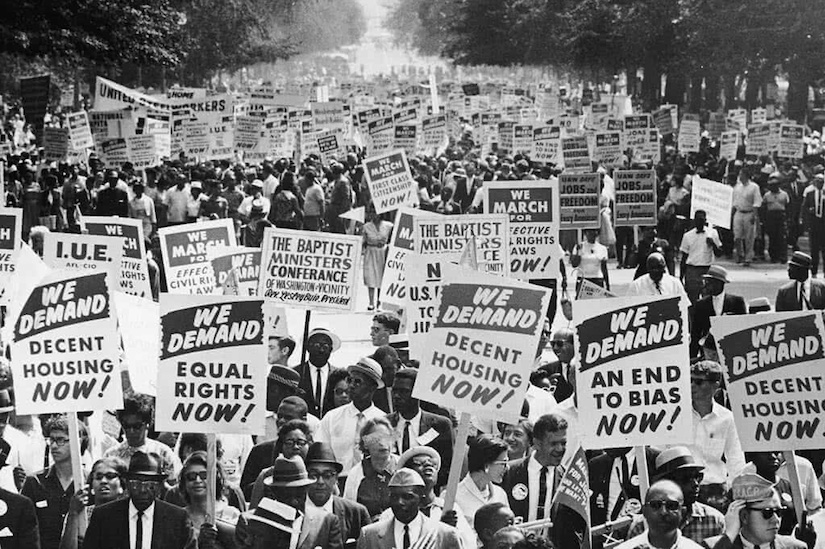
The legacy of discriminatory practices, like redlining and Jim Crow laws, systematically excluded Black people from accessing traditional banking services, fostering a deep mistrust in financial institutions³. For generations, Black communities were denied loans and subjected to predatory lending, leaving them without the same wealth-building opportunities afforded to white communities. The history of bank closures in Black neighborhoods and outright refusal of services reinforced the perception that banks were not designed to serve or protect Black wealth. Exploitative practices, from subprime mortgage lending to exorbitant fees, have left Black people economically marginalized and wary of financial institutions that prioritize profit over their well-being⁵.
A Brief History of Banks and Black People
18th-19th Century: Slavery and Banking
Mid-1700s-1800s: Banks in the South, such as the Bank of Louisiana, allowed enslaved Black people to be used as collateral for loans, effectively commodifying human lives to support plantation expansion and profits for banks.⁶
1820s-1860s: Insurance companies like Aetna and New York Life issued policies on the lives of enslaved Black people, allowing slave owners to collect payouts in the event of an enslaved person’s death.¹⁰
1865: Emancipation and Post-Civil War
1865: Following the Civil War, Black people continued to face economic exploitation through sharecropping and debt peonage. Mainstream banks denied access to fair credit, forcing Black farmers to rely on exploitative informal credit systems.
1865-1874: The Freedman’s Savings Bank was established to provide newly emancipated Black Americans a place to deposit savings. However, mismanagement and corruption led to its collapse in 1874, causing significant financial loss for thousands of Black depositors.
Late 19th Century-Early 20th Century: Jim Crow Era
1890s-1960s:Redlining and segregation laws effectively barred Black people from mainstream banking services. Systematic denial of loans and mortgages prevent wealth accumulation in Black neighborhoods. Black-owned banks, like the Citizens Trust Bank in Atlanta, were founded to provide alternatives, though these institutions faced capital constraints and systemic challenges.7
1960s: Civil Rights Movement
1968: The Fair Housing Act was passed to address discrimination in housing, including in banking and mortgage lending. However, discrimination persisted in less overt forms, with banks continuing to deny loans to Black applicants or steering them toward high-cost products.8
1980s-1990s: Deregulation of the Banking Industry and the Rise of Subprime Lending
The Garn-St. Germain Depository Institutions Act of 1982 and other deregulatory measures removed caps on interest rates, making it easier for lenders to offer high-interest loans and engage in risky lending practices. This set the stage for subprime mortgage lending, particularly targeting minority communities.9
The 1990s:As financial institutions sought to increase profits, subprime lending (high-interest, high-risk loans for borrowers with low credit scores) became widespread. Black borrowers were disproportionately targeted for these loans, even when they qualified for better terms.12
2000s: Subprime Mortgage Crisis
2000s:Black communities were disproportionately targeted with subprime mortgages, even when they qualified for conventional loans.
The 2008 financial crisis led to widespread foreclosures in Black neighborhoods, causing significant wealth loss. Black households lost approximately 53% of their total wealth during the Great Recession.13
2000s: Subprime Mortgage Crisis
2010s:Despite anti-discrimination laws, Black people continue to face barriers to accessing traditional banking services. Banks charge higher fees, offer worse loan terms, and close branches in predominantly Black neighborhoods, exacerbating financial inequality.
Following the 2008 financial crisis, many Black communities were left with few options for traditional banking due to branch closures. This led to an increase in the reliance on predatory payday lenders and check-cashing services, which charge exorbitant interest rates and fees.14