Kindred Futures Releases Policy Report Outlining the Urgent Need for Children’s Trust Accounts as State Policy

ATLANTAJuly 21, 2025 –  Kindred Futures recently released its latest policy report, “Securing Georgia’s Future: How Baby Bonds Can Build Wealth and Transform Communities,” which reveals how a state-level baby bonds policy could transform the economic trajectory of children across the state, especially in rural and low-wealth communities. The report outlines the urgent need for early-life wealth-building tools in Georgia and highlights how baby bonds—publicly funded trust accounts for children—can narrow racial and geographic wealth divides across the state.

Georgia’s economy is growing, but prosperity remains out of reach for many families. In Forsyth County just north of Atlanta, the median household net worth exceeds $720,000. In nearby rural Chattahoochee County, it’s closer to $15,000. These vast disparities by geography, and wealth are not anomalies; they are the result of generations of unequal access to asset-building opportunities. Wealth disparities like these don’t just reflect the past — they shape the future, limiting the ability of children born into low-wealth households to move up the economic ladder.

“This is about rewriting the economic future for Georgia’s children. Baby bonds represent a bold, actionable step toward closing our state’s geographic racial wealth divide—not through charity, but through public investment in potential. At Kindred Futures, we’re proud to be part of a growing movement that insists on structural solutions and sees Black prosperity as essential to Georgia’s prosperity,” said Alex Camardelle, Ph.D., vice president of Policy and Research at Kindred Futures.  

By design, baby bonds would invest more in children from lower-wealth families, helping to close the wealth divide while benefiting all communities across Georgia. Kindred Futures is committed to building collective Black wealth. As a think and act tank, the organization is a solutions aggregator and influences capital movers.

“This excellent and insightful report reveals vivid intergenerational wealth disparities across geography and, especially, race in Georgia,” said Darrick Hamilton, Ph.D., founding director, Institute on Race, Power and Political Economy at The New School. “To reverse this blight that locks in inequality at birth, baby bonds ensures that every newborn in Georgia has access to capital and the access to wealth that comes along with it.”

Key findings from the report include: 

  • A universal baby bonds program in Georgia could build $1.4 billion in new wealth per birth cohort.
  • Eligible children could access up to $16,000 by age 18 under the proposed model.
  • Rural counties-especially in South and Central Georgia-would benefit most due to higher rates of low-wealth births.
  • Baby bonds would advance economic mobility, reduce future public assistance needs, and help close Georgia’s racial wealth divide

The brief also makes the following policy recommendation:

  • Georgia should implement a baby bonds program with universal eligibility and tiered contributions, as proposed in House Bill 2847 and House Resolution 998 (2025). Under this model, eligible newborns would receive a starter deposit and children in lower-wealth families (e.g. those on Medicaid) would receive substantially larger deposits or annual top-ups. By age 18, eligible youth could accumulate up to $16,000 in a trust account, depending on investment growth.

Kindred Futures partners with Black Wealth Solution Providers, redefining wealth so that Black people have the opportunity to contribute to and accelerate a just and inclusive economy. That is our promise. We are connected and committed to new models of abundance because we know that investing in people pushed to the economic fringes, results in a thriving economies and communities.

Read the brief here.​

Mind the Divide: Advocating for Pay Equity for Black Women

By: Miriam Van Dyke, PhD 

On July 10, 2025, National Black Women’s Equal Pay Day, we celebrate the achievements and contributions of Black women, and National Black Women’s Equal Pay Day is a day we call for action. This day represents the approximate day a Black woman must work into the next year to make what a white man made at the end of the previous year. We call for action to address this persistent and significant wage divide faced by Black women. Black women working full-time year-round earn 69 cents for every dollar made by White men. This wage divide is even greater among Black women holding a bachelor’s degree at 63 cents for every dollar made by White men. Based on current trends, it is estimated that 2227 is the year when Black women’s pay will equal White men’s for full-time workers. When considering part-time work, the time to pay equity is even greater, set at 2362. However, our society cannot afford to wait for Black women to achieve pay equity and the opportunity to fully participate in a just and inclusive economy. Black women and their families and communities have waited for generations for pay equity.  

Black women have a history of entrepreneurship, strong workforce participation, and attaining higher education. They have continued to shine and achieve even in the face of systemic challenges like occupational segregation, discrimination  both racism and sexism  and higher participation in unpaid responsibilities like caregiving.  

Madam C.J. Walker is often named as the first self-made woman millionaire in the United States after developing haircare products for Black women in the early 1900s. However, many other Black women trailblazing entrepreneurs paved the way, and the number of businesses owned by Black women is rapidly growing. In fact, that number is growing faster than that for women of other racial groups. These trends are exciting but do not reflect the reality that Black women disproportionately face challenges starting a business, such as a lack of access to capital, and Black women-owned businesses face continuous uphill challenges with scalability and sustainability with an average revenue that is almost six times less than the average revenue of all women-owned businesses. 

Despite historic unemployment rates for Black workers being double the rate of White workers, Black women’s persistent labor force participation is not merely admirable — it is a reflection of generational resilience in the face of enduring labor market injustice. For example, in every Deep South state, the percentage of Black women aged 16-64 years who are employed exceeds that of the percentage employed for Black men (Figure 1). However, because women are often segregated into occupations that are lower paid (e.g. care work), wealth accumulation is challenging for Black women.  

Figure 1. 

Kindred Futures analysis of 2023 Panel Study of Income Dynamics data from nine Deep South states shows that a larger percentage (34%) of families with Black women as a household head have zero or negative net worth compared to families with White women as a household head (20%) (Figure 2). The divide in the percentage of families with zero or negative net worth is even larger at over 4x higher for families with a Black woman (34%) versus a White man (8%) as a household head.

Figure 2.

Stable and equitably compensated employment is a pathway for wealth, through direct income, health benefits, and retirement investments. The need to address significant wealth disparities, in part, through employment and equal pay for work has become even more imperative in recent months. Numbers released by the U.S. Bureau of Labor Statistics for April 2025 show an extra 106,000 Black women were facing unemployment; and this concerning trend continued in May 2025, with those data suggesting a loss of an additional 21,000 jobs for Black women. The most recent data from June 2025 suggests a potential leveling off of job loss for Black women. Nonetheless, the unemployment rate for Black women in June (5.8) remains high and continues to be almost 2x that of White women (3.1) and White men (3.4).  

Notably, the recent data showing continued increases in the unemployment rate for Black women was released alongside an announcement of a sizeable loss of federal government jobs. Government employment has long been a pathway to more equitable pay and economic mobility for Black people, particularly Black women, who make up a larger proportion of the federal workforce than the civilian labor force. However, even in the federal workforce, Black women face barriers to pay equity, earning about $12,600 less yearly than the median pay for civilian Federal employees. The job loss, under- and unemployment of Black people, and segregation of Black women into lower-paying and lower benefits roles, is less the fault of Black women, but instead more indicative of a system that has long discriminated against Black women. As cited in the 2025 Paycheck Fairness Act, “After controlling for educational attainment, occupation, industry, union status, race, ethnicity, and labor force experience[,] roughly 40 percent of the pay gap remains unexplained.” These labor dynamics have implications for Black women, including lower savings, asset accumulation, and retirement preparedness, which impacts intergenerational wealth transfer and the economic futures of their children and families. 

However, it’s not all just about numbers and dollar signs. This is about the well-being and health of Black women and their communities. Having a negative net worth is associated with higher levels of blood pressure and hypertension, precursors to cardiovascular disease, the No. 1 killer of Black women. Yet when economic progress is made and Black women achieve higher levels of education and income, data show Black women are not allowed to fully benefit from the promises of upward economic mobility. College-educated Black women report more experiences of everyday racial discrimination than Latina or White women and their lower-educated counterparts, and the impact of discrimination on health appears to be stronger for higher-educated Black women. While this phenomenon is understudied, the health tax paid by higher-educated Black adults is not a new concept. These “costs” linked with higher economic status for Black people can come in the form of not only heightened discrimination or racism-related vigilance and tokenism in hyper-visible environments, but also the need to support less economically stable family members and community members, which hits home for Black women who often feel a need to be “Superwomen” and experience a “cost of caring”. More generally for Black women seeking upward economic mobility, the environments in which they seek to thrive in are not set up to support their success; and local economies rightfully seeking to better support and protect workers through initiatives, such as minimum wage increase, fair scheduling, paid leave ordinances, are often blocked through state law.  

Black women have stood day in and day out with resilience out of necessity. As Viola Davis said, “As Black women, we’re always given these seemingly devastating experiences — experiences that could absolutely break us. But what the caterpillar calls the end of the world, the master calls the butterfly. What we do as Black women is take the worst situations and create from that point…” 

It is time to act. We must uplift Black women and allow them to thrive as they have continued to raise and sacrifice for the Black community and larger society. We celebrate Black women in all their brilliance and contributions to society. We also recognize the persistent and systemic challenges faced by Black women, contributing to stark and preventable inequities in economic opportunity, wealth, and health.  

At Kindred Futures, we are focused on creating innovative community wealth-building solutions to uplift the Talented 90th, the broad base of Black households, including the roughly 2 million Black households in the South with zero or negative net worth. This means advocating for the scalability of innovative and reparative initiatives for families like Baby Bonds, conducting research and developing policy solutions that identify and eliminate wealth extraction from Black communities, like predatory lending practices, and building and supporting an ecosystem of businesses and business support organizations, helping to create wealth in Black communities and support entrepreneurs, including the rapidly growing number of Black women entering this space.  

Specific policy initiatives aimed at closing the wage divide and growing wealth for Black women can include, but are not limited to:  

  • Pay fairness and transparency: Policy initiatives are needed to support more pay fairness and transparency in the workplace for Black women, who despite their best efforts fighting for fair pay, are faced with discrimination, repercussions, and limited access to information on salary standards. In 2019, Alabama passed the Clarke-Figures Equal Pay Act, which requires employers to pay its employees at similar wage rates as employees of another sex or race for equal work and jobs with equal performance requirements. While this is progress, exceptions within the Act allow for employer discretion (e.g., determining seniority system, merit system, or production quantity or quality, or a differential based on any factor other than sex or race). An important provision of this Act includes protecting employees who do not provide wage history, which could perpetuate wage inequities. Most recently, legislation is being considered for the 2025 Paycheck Fairness Act, enhancing enforcement of equal pay requirements for employers, pay equity data collection, and employer prohibitions in relying on and considering prospective employee wage, salary, and benefit histories.  
  • Paid leave: Paid family leave can provide family economic security and support child and parent health. Several states in the U.S. have implemented some form of a state paid family and medical leave policy. Mississippi recently passed an Act providing six weeks of paid parental leave for eligible state employees who are primary caregivers and two weeks of paid parental leave for secondary caregivers. Alabama passed a similar law for state workers and local education employees, including teachers, that provides up to eight weeks of leave.  

While continued or new support for these initiatives and several others not listed (e.g., Affordable Care Act, among others) can help move us closer towards closing the wage and wealth divide for Black women, it is likely that it is not a single initiative, but the combination of initiatives, that will make the meaningful progress in pay and wealth equity that Black women need and deserve.  

Join us as we celebrate and lift up Black women today and every day. Join us in our call to action.  

The Come Up Project

By Katrice L. Mines

It was 2019 when Abiodun Henderson had a chance conversation with Dr. Janelle Williams and Tené Traylor, the co-founders of Kindred Futures. At the time, Henderson – who is founder and CEO of The Come Up Project – was just three years into building out the multi-faceted organization based in Atlanta that provides a ‘come-up’ by developing the current and potential skill set of participants, while offering a pipeline into a viable career. She was betwixt and between in just about every area of her life except her community work. In that aspect, she was on the brink of a breakthrough. 

“I’m an out-in-the-street community organizer,” Henderson says reflecting of the encounter that inspired her to put her ideas on paper. “I told them, ‘we would love to have y’all support and this is what we’re trying to do. We’re trying to work our own businesses, while educating young people … catching them up because of the gap that the crack cocaine era kind of created in the transfer of knowledge between generations.’”

Henderson created The Come Up Project in 2016 and immediately launched its first program Gangsters to Growers – providing employment opportunities to formerly incarcerated people in marginalized communities. At-promise youth and formerly incarcerated individuals receive paid entrepreneurial internships, are mentored by local farmers, learn to plant, harvest, and vend produce to local restaurants and at a street side farmer’s market, and gain an understanding of how to re-apply and transfer their current skill sets into the legitimate economy. By providing a living wage stipend to participants, the program is also designed to empower individuals with past criminal records, who are largely barred from jobs that would pay a livable wage, to amass seed money for their business venture.

Fiercely independent herself, Henderson knows what it’s like to need support after having lost her job and home near the West End in 2012. When she met Williams and Traylor, she had been a community activist in SW Atlanta running grassroots programs, farming and empowering those living in traditionally underserved communities. Following the conversation with Kindred, a friend assisted her in formulating a proposal which led to seed funding from Kindred Futures. 

The timing was not only optimal for the business concept she’d been cultivating but was an unexpected personal gesture of support from true community advocates. 

“You know, they put $12,000 into that grant just for me to have a salary,” Henderson says. “Prior to that, we were getting like, 25,000 a year. We had WorkSource paying our young people. And one year we only had $10,000 and thought – as long as the youth are getting paid, we going to do this program.” 

While the organization was getting their fair share of press, Henderson was Ubering youth to farms because she no longer owned a vehicle. 

“Them putting that money in there for me, supporting our Sweet Sol worker-owned business and planning for the next year really helped alleviate so much stress,” she says. “It was like a fog was lifted from my brain where I realized, ‘Oh, you were lacking capacity because you were poor.” Some may call it serendipity.

Henderson remembers it as the moment that unleashed a windfall substantial financial support that made it possible for them to not only expand Gangster Growers’ programming, but also market and sell more of their Sweet Sol uniquely flavored hot sauce.

 Fast forward to 2025, and Kindred Futures and The Come Up Project are now strategic partners on Shared Ownership.

The Come-Up Project will use a recent Kindred Futures grant to hire a Business Service Manager for their worker-owner cooperative. The manager will focus on driving product growth while upholding the cooperative’s values of shared ownership and democratic decision-making. The support will also allow the organization to develop and implement strategies to enhance market reach, optimize production processes, and improve product offerings to meet customer demand. Building partnerships, analyzing market trends, and identifying growth opportunities prioritizing longterm sustainability.

“Without having an organization like Kindred Futures focused on the empowerment and selfsufficiency of Black people, we will never be safe,” Henderson says. “When I recently heard Janelle talking about the Talented 90th, I said that was a word, because that’s the community I rock with. That’s how we going to all reach our goals, not by just having a few.”

Juneteenth, Freedom’s Promise, and the Journey to Black Wealth in the South, June 2025

By Alex Camardelle, Ph.D.

Juneteenth marks the day the last enslaved Black Americans learned of their freedom on June 19, 1865 – a full two and a half years after the Emancipation Proclamation and two months after the Civil War’s end. This long-delayed emancipation is a source of both celebration and sober reflection. Black communities rejoice in the triumph over slavery, yet Juneteenth is also a reminder of freedom deferred and of the broken promises that followed emancipation. True liberty meant more than the absence of bondage; it meant the ability to build a life of one’s own. In 1865, that meant land, financial security, and economic opportunity – all of which proved elusive for newly freed people. 

The Historical Legacy of Juneteenth and Emancipation’s Aftermath 

Juneteenth’s legacy is entwined with the economic realities of emancipation. Upon liberation, formerly enslaved families had few resources or rights. The Union Army’s famous promise of “40 acres and a mule” – General Sherman’s field order to redistribute Confederate land to freed Black families – offered a brief glimmer of hope in 1865. But President Andrew Johnson overturned that order within the year, returning land to former slaveowners. This betrayal meant that most freed people started their lives as free citizens with no assets, land, or capital. 

With no land of their own, tens of thousands of Black families were soon forced into sharecropping, an exploitative system akin to indentured servitude. Under sharecropping contracts, white landowners leased plots to Black farmers in exchange for a portion of the crops. In practice, proprietors charged unfair rents and high interest on supplies, trapping Black tenants in cycles of debt and poverty that were “only marginally better than slavery.” Emancipation had arrived, but economic freedom was largely denied in the Reconstruction era. 

The post-Civil War period also saw setbacks in Black financial gains. One emblematic example is the Freedman’s Savings Bank: chartered to help freed people save and build wealth, it collapsed in 1874 due to federal mismanagement. Over 61,000 Black depositors lost their savings (about $30 million today) when the bank failed. As the bank’s last president, Frederick Douglass noted, this failure dealt a devastating blow to Black economic hopes, deepening distrust in a system that had reneged on its promises. 

Systemic Wealth Denial: From Jim Crow to Redlining 

The struggle to build Black wealth did not end with Reconstruction – it merely entered a new phase. In the late 19th and 20th centuries, Jim Crow laws and violent intimidation in the South thwarted Black Americans’ attempts to acquire property, receive fair wages, or access education. Federal policies that spurred middle-class wealth for whites systematically excluded Black citizens. For example, after World War II, the GI Bill’s housing and education benefits largely bypassed Black veterans. The law was written to be administered at the state level, allowing segregationists to deny Black applicants. In 1947, for example, only 2 out of 3,200 VA home loans in certain Mississippi cities went to Black borrowers. Such exclusions meant Black families missed out on the postwar housing boom that created so much white suburban wealth. 

Compounding the problem, banks, and government agencies engaged in redlining – the practice of marking Black neighborhoods as credit risks and denying them mortgages and insurance. Even with the GI Bill’s backing, white-run financial institutions had free rein to refuse loans to Black people. Black Americans were largely shut out of homeownership, the single greatest driver of intergenerational wealth in the U.S. Meanwhile, discriminatory covenants kept Black families out of prospering white suburbs. These systemic barriers help explain why, even today, the economic playing field is starkly uneven. 

A Persistent Racial Wealth Divide 

More than 150 years after Juneteenth, the racial wealth divide in America remains vast and enduring. Black Americans represent about 13% of the U.S. population but hold only 3–4% of total U.S. wealth. Federal Reserve data shows that between 2019 and 2022, Black household wealth grew in absolute terms, yet the median wealth divide between Black and white families widened to roughly $240,000 – the largest dollar divide on record. 

This divide  is not only enormous but persistent. Nowhere is the urgency greater than in the American South, home to a large share of the nation’s Black population and deep historical inequities. Today, an estimated 2 million Black households across the South have zero or negative net worth. In other words, nearly one in five Black families in the region owe more than they own, which is a direct legacy of the history discussed above. This stark reality underscores why Juneteenth is not just a celebration of past freedom, but a call to action to achieve economic emancipation in the present. 

From History to Hope: Building Black Wealth Today in the South 

Juneteenth’s evolution into a national holiday has sparked broader conversations about racial justice, including economic justice. In the spirit of the holiday, many are working to counter the historical inequities that have limited Black wealth. Kindred Futures is one organization at the forefront of this effort. With a focus on the American South, Kindred Futures works to expand Black economic opportunity and reimagine systems that have excluded Black communities. In practical terms, Kindred Futures and its partners are developing innovative models to help Black families and entrepreneurs build assets, gain ownership, and secure prosperity for future generations. 

Some of Kindred Futures’ key initiatives directly address the legacy of wealth denial with bold, community-centered strategies: 

  • Talented 90th Campaign: Inspired by W.E.B. Du Bois’s idea of a “Talented Tenth,” this campaign flips the script to focus on the other 90%. It aims to transcend Black exceptionalism and uplift the broad base of Black households, rather than celebrating only a few outliers. The Talented 90th Campaign is driving scalable solutions for the roughly 2 million Black households in the South with zero or negative net worth, mobilizing investments to help families produce, own, and thrive at scale. 
  • Shared Ownership Programs: Kindred Futures champions cooperative economics through shared ownership models. By supporting Black-led business cooperatives and community ownership of assets, this approach allows whole communities to share in wealth-building. For example, cooperative business incubators provide back-office support, shared services, and access to capital for Black entrepreneurs. Through shared ownership, communities experience the benefits of inclusive business growth, as neighbors collectively invest in each other’s success and build equity together. 
  • Research & Policy Advocacy: Kindred Futures transforms data into power by advancing policies that protect and grow Black wealth. Our research surfaces the systemic drivers of wealth extraction, from displacement through speculative development to the rise of predatory lending in Black neighborhoods. We equip local leaders with actionable strategies rooted in community priorities. And as more cities explore local reparations initiatives, we provide support to ensure those efforts are informed by history, equity, and community vision while investing in movement infrastructure across the region. 

From the first Juneteenth in 1865 to the present, the journey toward true freedom for Black Americans has been inseparable from the quest for economic security and opportunity. The legacy of delayed emancipation is visible in today’s racial wealth divide, which is a chasm created by generations of exclusion and injustice. Yet there is hope and progress in the work being done to close that divide. Kindred Futures carries Juneteenth’s promise forward by actively repairing the breach, investing in Black communities, and fostering models of shared prosperity. Our mission is rooted in a powerful idea: Black wealth means freedom, a freedom that we believe we unapologetically believe we will achieve. 

Protecting Our Dreams and Safeguarding Our Hope

By Janelle Williams, Ph.D.

As we navigate these troubling times, we must steadfastly resist being distracted by the chaos designed to derail our pursuit of economic and racial justice. Challenging chapters call us to ground ourselves deeply in what truly matters—our anchors. For me, that anchor is motherhood. My daughter, Joy, continually gifts me wisdom through simple yet profound moments. Her insights breathe hope into my heart, fueling the relentless drive required to lead Kindred.

Now more than ever, I guard fiercely the moments I share with Joy, refusing to let the world’s turmoil overshadow our precious downtime. Often, this intentionality leads me to experiences that deeply inspire her—and deeply challenge me. Our latest adventure—a four-night camping trip far removed from modern comforts—was a striking example. Initially apprehensive, stepping entirely out of my comfort zone became unexpectedly transformative.

This journey taught me more than resilience and resourcefulness; it illuminated the power of embracing uncertainty. It’s a lesson deeply aligned with our mission at Kindred Futures. Right now, amidst policies openly hostile to justice, our commitment demands courage. We cannot afford the luxury of retreating into comfort or familiarity. The systems we’re confronting have thrived on exploitation and incremental change. But this moment demands radical rebuilding—bold, transformative investments in our communities anchored in sustainability and equity.

We must confront this hard truth: addressing only symptoms at the margins will not dismantle the racial hierarchy deeply embedded in our economic structures. While we have much to mourn, we have far more reason to hope—if we dare to dream of a genuinely just democracy.

Just as my fierce love for my daughter compels me to ensure her safety and thriving in unfamiliar terrains, so too does it compel me in my leadership. My north star remains clear: to leave Joy—and all our children—a world abundant with opportunity and rooted in freedom.

As we build collective power, let’s fiercely protect our dreams and safeguard our hope. Kindred is unwaveringly committed to solidarity and unapologetic about advancing collective Black wealth. Our strength lies in our aligned community, determined to radically rewrite our shared future. I encourage you to find time this season to recenter and recharge, anchoring yourself in what inspires and sustains your commitment to justice. Protect your hope fiercely—it will fuel us in our relentless pursuit of freedom.


Kindred Futures Condemns House Budget Plan as a Direct Attack on Black Families and Generational Wealth in the South

May 23, 2025  ATLANTA, GA — Kindred Futures strongly opposes the 2025 budget reconciliation bill passed by the House this week, calling it a sweeping and dangerous rollback of federal support for Black families, children, and wealth-building infrastructure—especially in communities already bearing the weight of systemic disinvestment across the Deep South.  

The budget slashes $2 trillion from core safety net programs like Medicaid, SNAP, and education funding while delivering more than $4.5 trillion in tax cuts overwhelmingly skewed to the wealthiest Americans. These changes threaten to undo decades of hard-won progress in strengthening the social safety net and further destabilize already underinvested Southern communities. Moreover, this budget is built on lies that the safety net discourages work, that tax cuts for the rich bolster economic opportunity, and that families with low incomes need more red tape, not more support, despite evidence proving the opposite. 

“This isn’t a budget—it’s a blueprint for exclusion,” said Dr. Janelle Williams, CEO and co-founder of Kindred Futures. “It drains resources from the very families and communities who’ve been shut out of wealth gains for generations. It’s a direct attack on Black children, workers, and rural communities across the South.” 

Key Harms to Black Wealth-Building Include: 

  • Medicaid Cuts will force closures of rural hospitals and reduce access to maternal care and preventive health services. Black families in our southern states that didn’t expand Medicaid will be hit hardest. 
  • Child Tax Credit Changes exclude 20 million children from full benefits—nearly half of all Black children—while families earning $400,000 and more get the full credit increase. 
  • “Trump Accounts,” renamed from “MAGA Accounts,” offer symbolic savings accounts for newborns during a narrow eligibility window—while providing zero relief for the wealth-building barriers Black families disproportionately face today. 

“This budget reflects a dangerous refusal to learn from history,” said Dr. Alex Camardelle, Vice President of Policy and Research at Kindred Futures. “It revives failed policy ideas that deepen hardship, especially for Black families and communities already denied fair investment. This is not just policy neglect—it’s targeted abandonment.” 

We need a new policy direction rooted in shared prosperity and evidence—not austerity. We demand a future where public policy protects Black life, supports working families, and builds real pathways to intergenerational wealth. 

MAGA Accounts: Real Help for Black Families or Just a Shiny Distraction?

By Alex Camardelle, Ph.D.

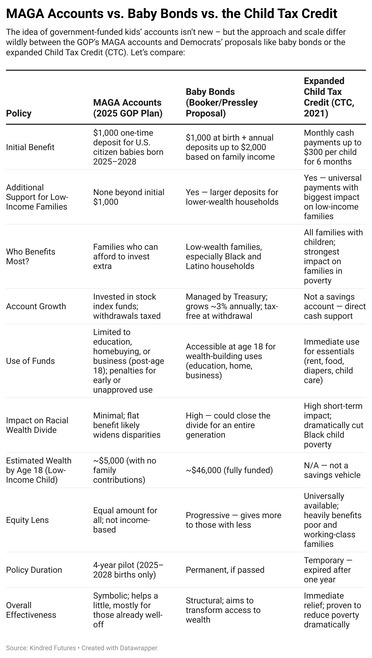
Frankly, a one-time $1,000 “MAGA” account for newborns sounds like a nice gesture – but will it help Black families build wealth? In the House GOP’s 2025 tax bill, lawmakers proposed creating “Money Accounts for Growth and Advancement” (MAGA accounts) for every U.S. citizen child born from 2025 through 2028. Every qualifying baby would get a $1,000 starter investment, seemingly to jump-start their future. The pitch is patriotic and optimistic, yet many experts and community advocates are skeptical. 

What Exactly Are “MAGA” Accounts? (And Who Benefits) 

The tax bill’s MAGA accounts plan is essentially a government-seeded investment account for kids. Here’s the rundown: If you have a baby in the U.S. between Jan. 1, 2025, and Dec. 31, 2028, the government will deposit $1,000 of taxpayer money into an investment account for that child. Families can then contribute up to $5,000 each year per child (indexed to inflation) into this account. The funds must be invested in a low-fee index fund tracking U.S. stocks – so essentially, your child gets an 18-year ride on the stock market. The money is locked up until the child turns 18 (no withdrawals before adulthood), after which it can be used for things like college tuition, buying a home, or starting a business. 

Tax-wise, MAGA accounts are only mildly advantageous. The investments grow tax-deferred (you don’t pay taxes each year on gains), but unlike a 529 college plan, there’s no tax-free withdrawal for education. When the money is taken out for approved uses (say, college or a first home), the earnings are taxed at capital gains rates. If the funds are used for other purposes before age 30, you’d owe income tax plus a 10% penalty on the withdrawal. By age 31, any remaining balance is paid out to the account holder regardless. Aside from the initial $1,000 gift, these accounts operate a lot like a regular brokerage account with some added strings attached. 

The hope is that early investment plus the magic of compounding interest will yield a nice little nest egg by adulthood. In fact, if left untouched and never added to, that $1,000 might grow to roughly $5,000 after 18 years. Families with means could contribute regularly and build an even bigger fund (potentially up to ~$100,000 if they maxed out $5k per year). However, that leads to the first big question mark: who is actually able to contribute that kind of money each year? 

Will $1,000 Accounts Close the Gap or Widen It?

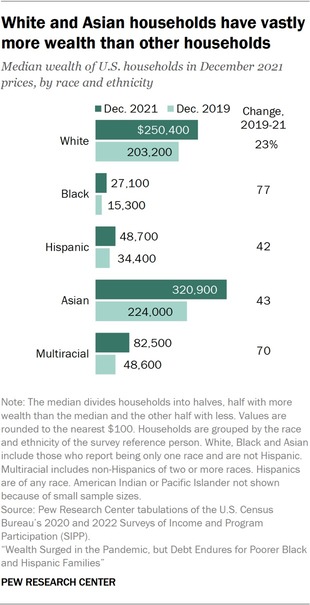
For Black families – who currently hold a fraction of the wealth of white families – a one-size-fits-all $1,000 account is at best a drop in the bucket, and at worst could exacerbate gaps. Today, the median Black household has roughly $27,000 in net worth versus $250,000 for the median white household. That stark inequality is exactly what baby bonds aim to chip away at. MAGA accounts, by contrast, give the same $1,000 to a child raised in a studio apartment as to a child in a mansion, and then essentially say, “Good luck in the stock market.”  

Families who can afford to contribute extra (more often white and wealthier) will do so and reap greater gains, while many low-income parents – including a disproportionate share of Black parents – won’t have spare cash to invest after covering rent and groceries. As economist Darrick Hamilton put it, MAGA accounts are a way to address wealth inequality on the cheap.” They provide no progressive boost to those at the bottom, so they’re likely to be “inequality enhancing,” not reducing.  

Even the basic $1,000 isn’t as generous as it sounds. Over 18 years, if untouched, that seed might grow to a few thousand dollars – maybe enough for a semester of community college or a used car. But consider that it now costs over $300,000 to raise a child to age 17 in the U.S. (for a middle-income family). And yet that $1k is locked away until the child turns 18 without giving families the immediate assistance they need now. Contrast that with the expanded Child Tax Credit, which put money into parents’ hands monthly to buy groceries or pay the light bill, or baby bonds, which at least guarantee a substantial asset at adulthood for those who need it most. 

A Meaningful Solution or Political Distraction? 

It’s hard to ignore the politics surrounding MAGA accounts. The name itself is a not-so-subtle homage as a rallying presidential slogan, and indeed the program would only cover babies born during a specified presidential terms. The same tax bill contains provisions that extend giant tax cuts for corporations and the wealthy. For example, that “One Big Beautiful Bill” also includes massive cuts to programs like Medicaid, which could strip health insurance from 7.6 million Americans (disproportionately impacting Black and low-income communities). One hand gives a dollar while the other takes away a ten – families notice that kind of math. 

There are also questions of feasibility and uptake. Will every eligible family actually set up and manage these accounts? And frankly, with the convoluted rules (capital gains taxes here, penalties there), many parents might find the accounts confusing or unattractive. In short, these accounts feel more like a political talking point than a game-changer for family finances. 

Investing in Black Families’ Futures: Real Solutions 

If our goal is to boost Black family wealth and give every child a fair start, we need bolder, more targeted action. Here are a few steps policymakers should consider: 

  • Enact Baby Bonds or “American Opportunity Accounts”: Rather than a token one-time deposit, a true baby bonds program would invest continuously in kids from families with little to no wealth. By age 18, every young adult – especially those from low-wealth households – would have a significant asset to seize opportunities (be it college, a business, or home ownership). Research shows this could dramatically close the racial wealth divide for the next generation. States like Connecticut and Washington, D.C. have started baby bonds initiatives, and momentum is building. 
  • Bring Back (and Enhance) the Expanded Child Tax Credit: Families benefited greatly from the CTC. Food insecurity plummeted, bills got paid, and nearly 3 million children were lifted above the poverty line. Making a fully refundable, expanded CTC permanent would provide ongoing support to families raising kids. It’s essentially a guaranteed income for children – helping cover the everyday costs of parenting so that all kids can thrive. 
  • Strengthen Family Wealth-Building Tools: We should pair these big ideas with other supports that help families build assets. That could mean first-time homebuyer assistance in historically redlined communities, free or affordable college (so young adults don’t start life under mountains of debt), and incentives for emergency savings to weather crises. While MAGA accounts bank on the stock market, many Black families need relief and investment in more concrete forms: down payments, debt reduction, education and job opportunities. A comprehensive approach to Black wealth-building will span from early childhood (baby bonds, child allowances) to adulthood (fair access to credit, jobs, and asset ownership). 

It’s encouraging to see any acknowledgment that building assets for children is important. But in the end, $1,000 MAGA accounts feel like putting a Band-Aid on a gaping wound. Yes, they could help a little – and no family will turn down free money – but they don’t rise to the scale of the challenges Black families face. The racial wealth divide was created by generations of exclusion, discrimination, and disinvestment. Tacking a modest kids’ savings plan onto a tax bill won’t undo that harm, especially not while other policies actively undermine family stability. all families deserve solutions that are bold, equitable, and sustained. In the fight to close the wealth divide, let’s choose substance over slogans every time. 

Two Perspectives, One Goal: How BSOs and CDFIs Joined Forces to Bridge the Capital Divide

By: William W. Green 

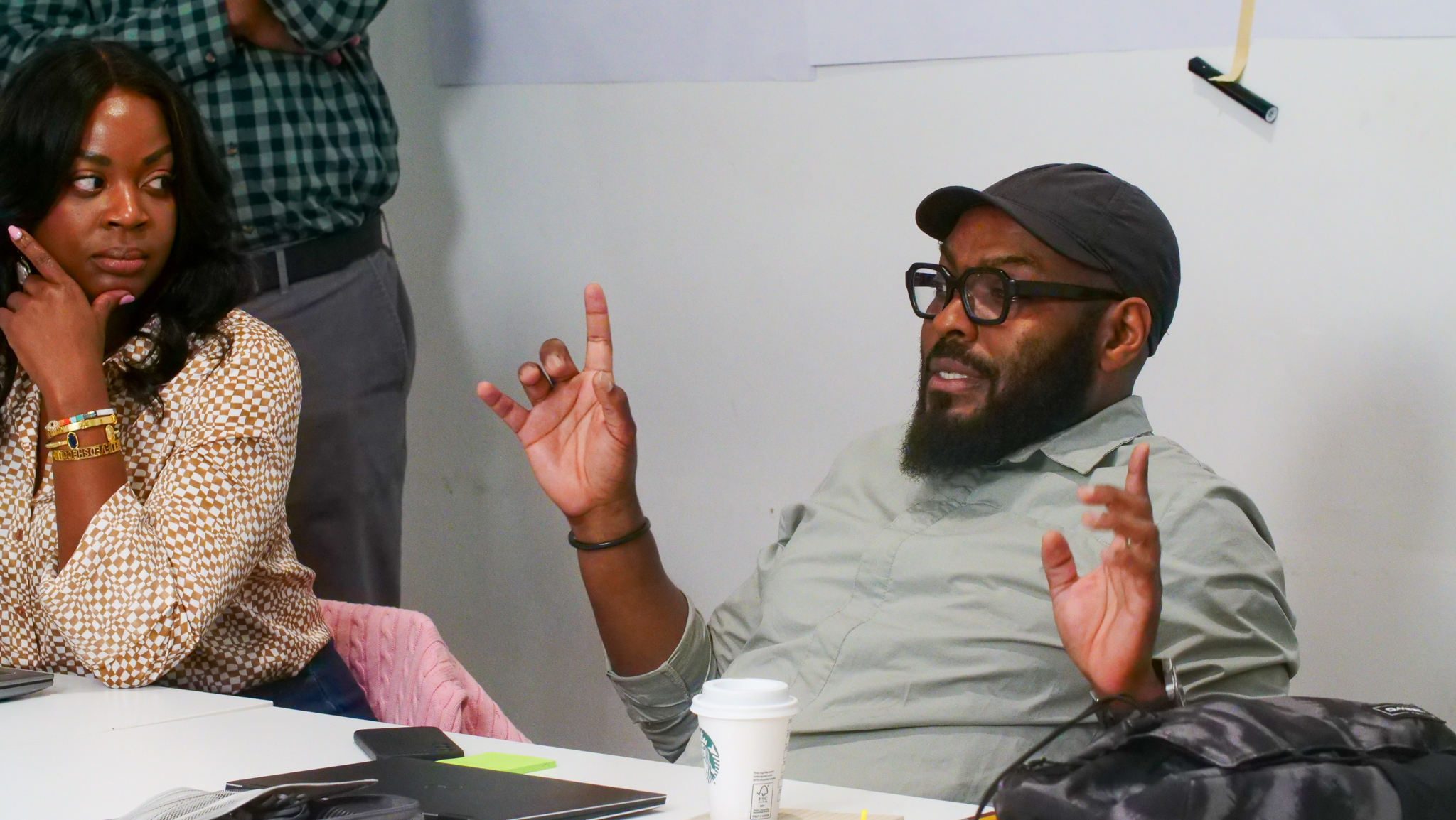
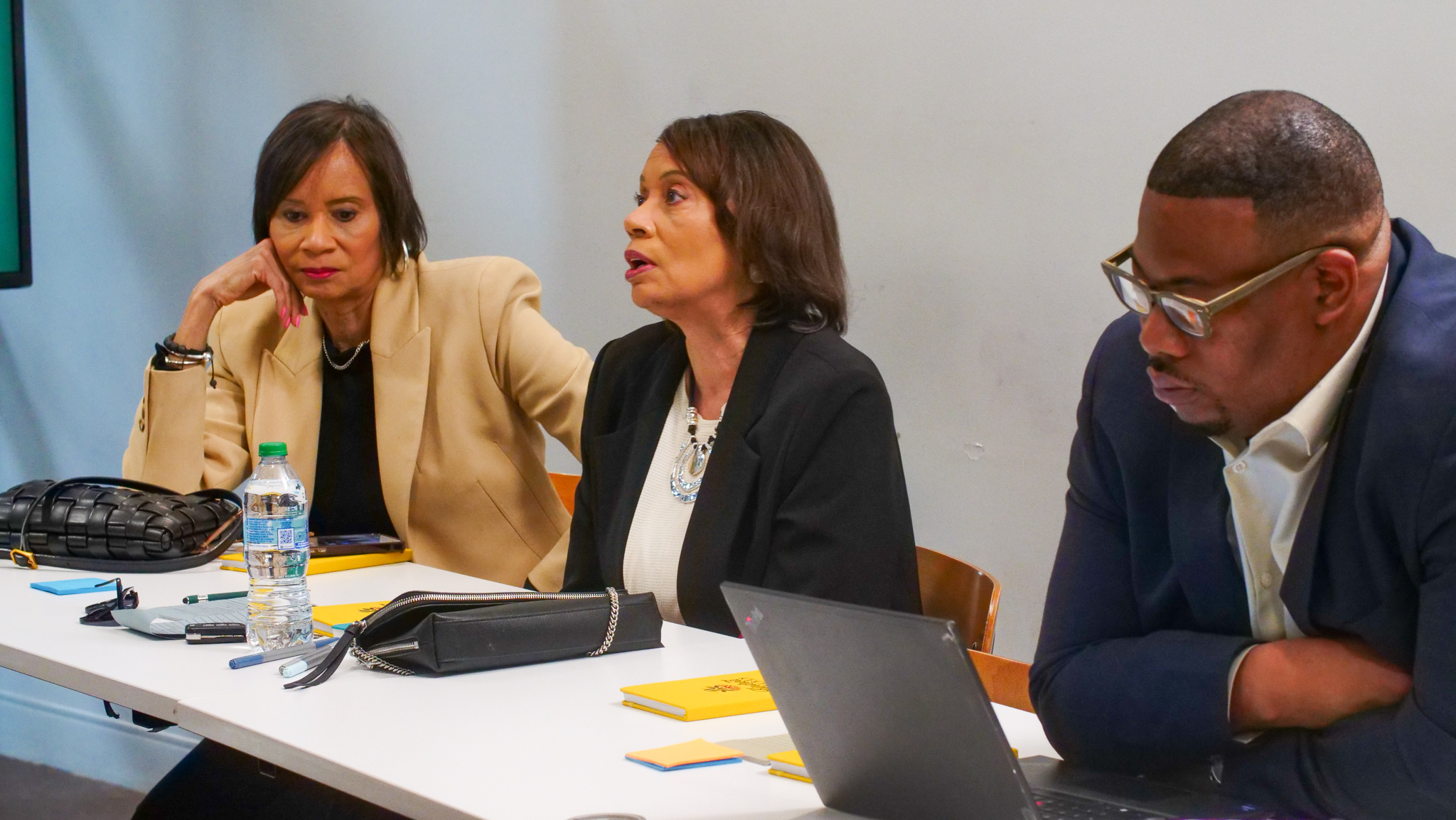
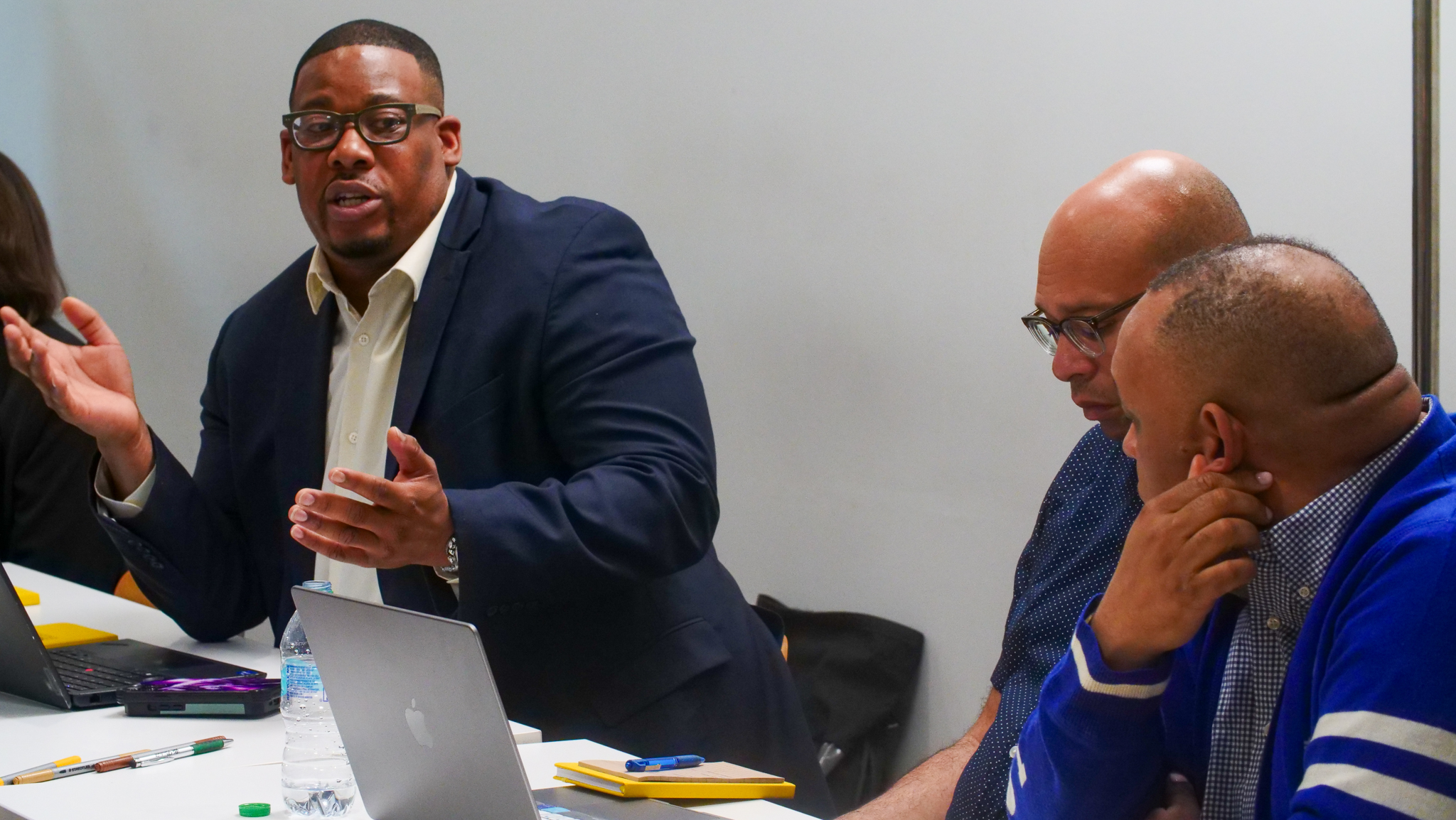
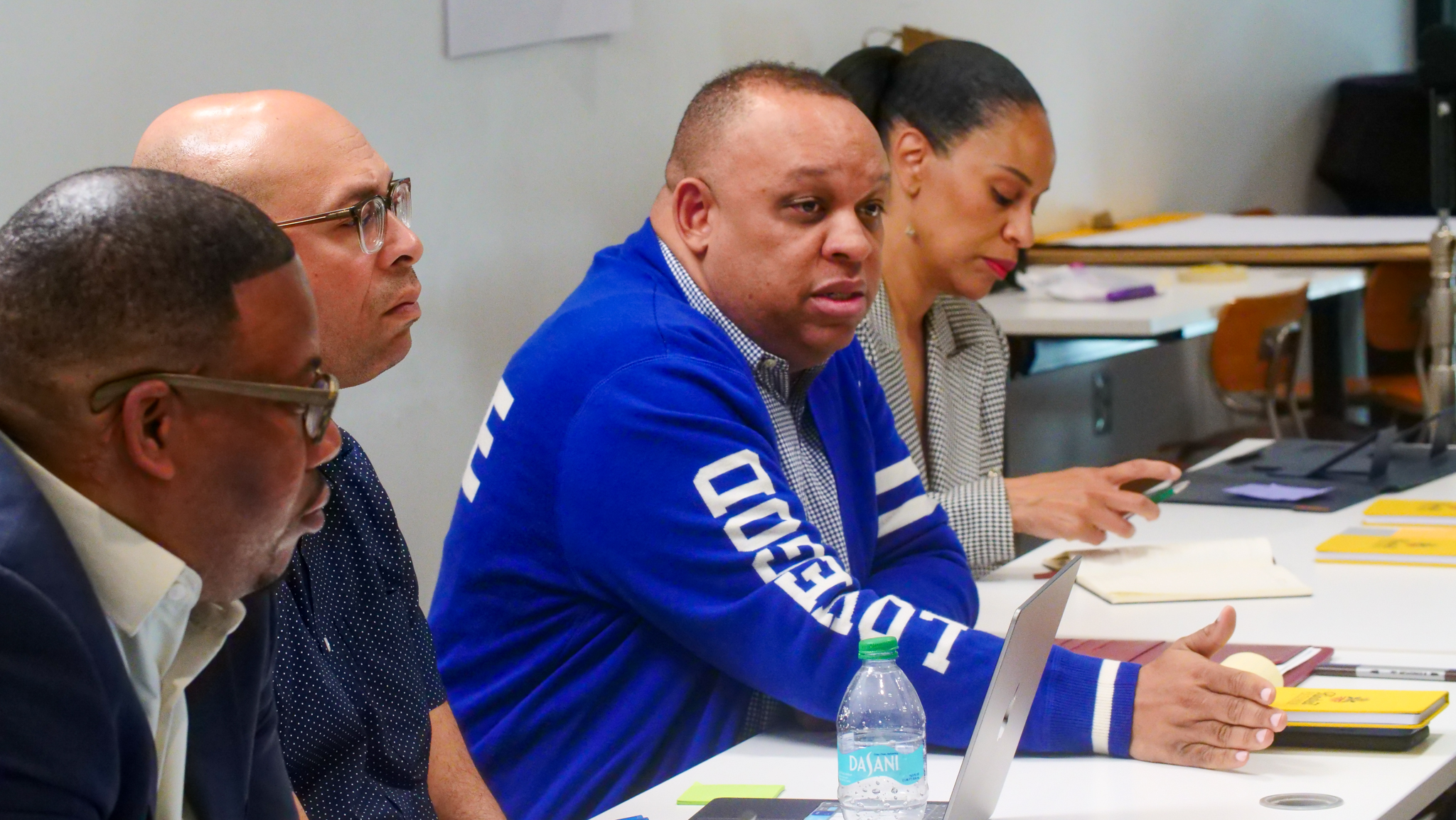
Kindred hosted a Capital Readiness Collaborative Session; a gathering focused on identifying the challenges Black-owned small businesses face in accessing capital. The room was filled with decision-makers from Business Support Organizations (BSOs) and Community Development Financial Institutions (CDFIs)—two groups with different perspectives but one shared mission: closing the funding gap that has long hindered growth and sustainability for Black entrepreneurs. 

BSOs are rooted in their communities, helping business owners build the skills and knowledge to grow. At the same time, CDFIs provide the capital that fuels that growth. But too often, a gap between the two leaves entrepreneurs just shy of the funding they need to truly thrive. One participant described this gap perfectly, stating, “It’s not always the credit score; sometimes it’s about understanding the numbers and knowing how to manage capital effectively.” 

This disconnect is evident in the data. According to the Federal Reserve, nearly half of all small businesses in the United States do not receive all or part of the financing they seek—despite the abundance of capital in the ecosystem. The issue isn’t necessarily the availability of funds, but rather their accessibility and effective deployment to those who need them most. 
 
The disparities are even more glaring for Black small business owners. They are more likely to apply for loans or lines of credit than the national average (44% vs. 35%), yet less likely to receive the full amount requested. Only 32% of Black applicants receive the total funding they seek, compared to 40% nationally. This points to systemic barriers that continue to limit equitable access to capital and opportunity. 

The session sparked open discussions, problem-solving, and strategic brainstorming, which led to a compilation of innovative solutions like automated financial assessments and tiered capital readiness programs. These ideas can transform the pathway from business readiness to secured funding. 


Key Takeaways: Building Stronger Pathways to Capital

1. Long-Term Support for Entrepreneurs 

Entrepreneurship is a journey, not a sprint. Support must extend beyond the startup phase, providing financial guidance, technical assistance, and strategic coaching to help businesses navigate growth and sustainability.

2. Transparency and Alignment in Lending Criteria 

Misalignment between BSOs and CDFIs—like varying Debt Service Coverage Ratios (DSCR)—often leads to entrepreneurs seeking funding they aren’t prepared for. Better calibration and open communication can streamline the journey to capital. As one attendee noted, “When BSOs understand the criteria, it’s like giving entrepreneurs the right map to find the funding they deserve.” 

3. Lending vs. Investment: Understanding the Difference 

Not all businesses are ready for traditional loans. Sometimes, venture capital or mixed financing is a better option. BSOs play a critical role in educating entrepreneurs about these options. “Sometimes it’s not about getting a loan; it’s about finding the right kind of capital for where your business is today,” shared one CDFI representative. 

 4. The Real Issue: Financial Readiness, Not Capital Shortages 

The real challenge isn’t only the lack of money, it’s financial readiness as well. Many businesses struggle with a strong infrastructure and building the systems needed to access capital. Entrepreneurs often blur the lines between business revenue and personal income, leading to cycles of feast and famine. Stronger financial education and support can instill sound money management habits.  

 5. Embracing Risk While Building Resilience 

Taking risks fuels growth, but poor financial habits can turn that risk into a liability. Rather than avoiding risk the focus should be on building resilience through strategic financial planning.  

The way forward is clear: alignment, education, and strong support will open new doors and drive lasting growth for those often left out. To truly empower Black-owned businesses, we must close the capital gap—not just in access, but in readiness. The foundation is set; now it’s time for bold action. 

Strengthening Capital Readiness: A Collaborative Approach to Closing the Gap

By William Green

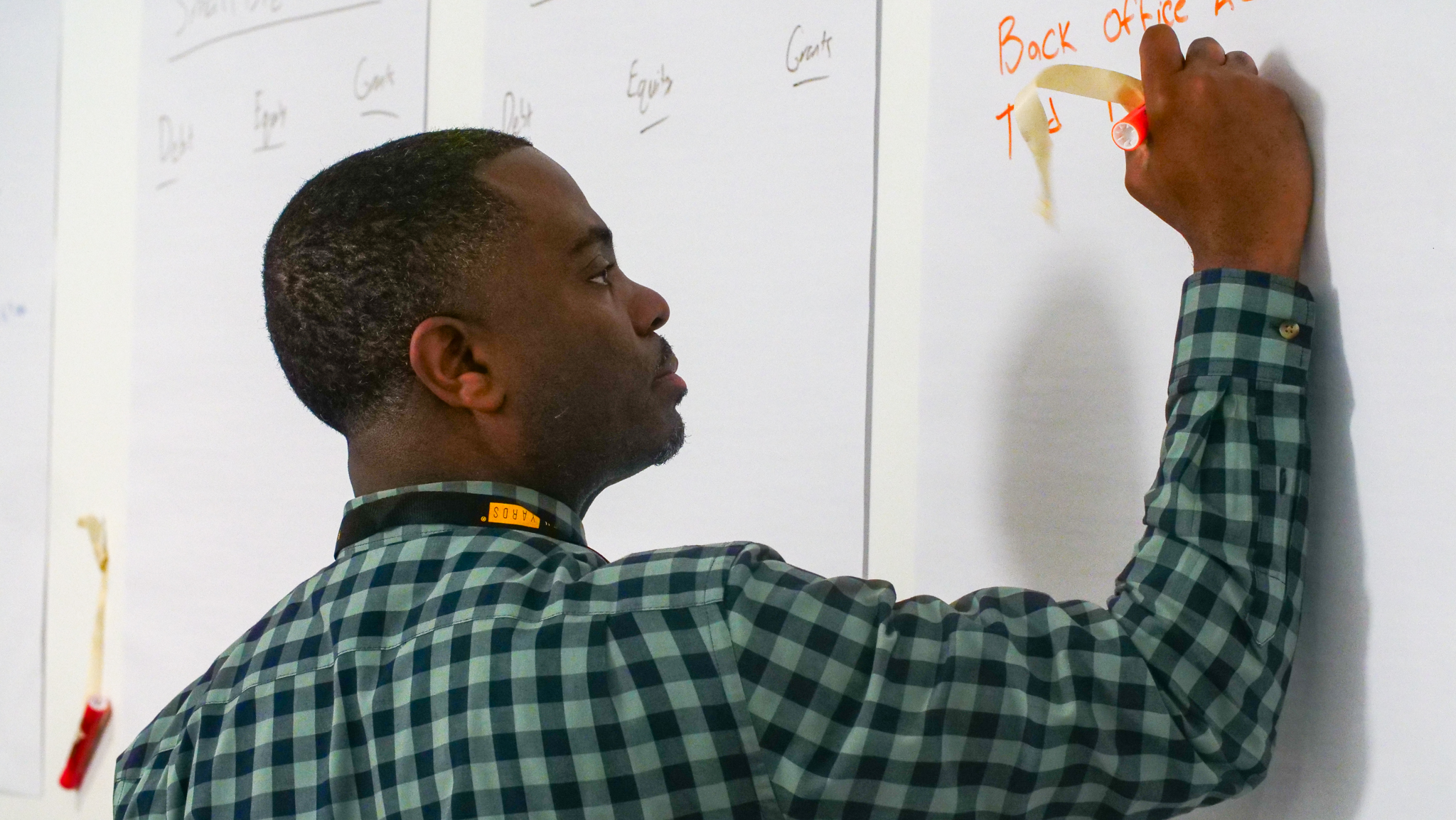
On March 19th, Kindred Futures’ Strategy & Impact team convened a collaborative work session with leaders from Community Development Financial Institutions (CDFIs) to address persistent barriers to capital access and chart a more unified path forward.

This session was part of Kindred Futures’ broader commitment to fortifying the small business ecosystem—particularly by empowering Business Serving Organizations (BSOs) in their role as frontline advisors to entrepreneurs.

Key Insights Emerged Across Three Areas:

  1. Systemic Barriers to Capital Access
    CDFI leaders highlighted deep-rooted structural inequities that continue to hinder Black-owned businesses from accessing mainstream funding. Rigid underwriting standards and a lack of contextual understanding often result in entrepreneurs being underfunded—or denied capital altogether.
  2. Gaps in Capital Readiness Support
    Participants pointed to the lack of a consistent, tiered support framework for business owners. Many entrepreneurs receive generalized financial guidance that doesn’t align with their specific stage of growth—whether they are just launching or preparing to scale.
  3. Misalignment Between Coaching and Lending Criteria
    BSOs are often coaching entrepreneurs without a clear understanding of lenders’ expectations. This disconnect leads to mismatched referrals, creating frustration for business owners and missed opportunities for both BSOs and lenders.

Looking Ahead
This session reaffirmed that expanding access to capital goes beyond simply increasing funding but that it requires alignment, trust, and shared strategy. With the changing political climate, expanding capital access is more pivotal than ever. Policy shifts and economic uncertainty could widen existing disparities, making coordinated, equity-centered solutions all the more urgent.

Kindred Futures remains deeply committed to building a more inclusive ecosystem where Black-owned businesses have the capital, guidance, and opportunities they need to grow and thrive.

It’s Not Business as Usual: Our collective efforts can lead to collective freedom 

By Janelle Williams, Ph.D.

A Pivotal Moment in History 

We are living in a defining moment in American history where justice and freedom are under direct attack. The recent wave of opposition to diversity, equity, and inclusion (DEI) initiatives is not just an ideological debate—it is a strategic attempt to push historically disinvested communities further into economic exclusion and civil disenfranchisement. These attacks are rooted in systemic racism, classism, sexism, xenophobia, and homophobia all of which work together to uphold a status quo that benefits the few at the expense of the many. 

The widening wealth divide is a stark reminder that communities of color have long been denied economic opportunity, access, and shared prosperity. An attack on DEI is ultimately an attack on justice, democracy, and the foundational ideals of equity. 

The Business Case for Economic Inclusion 

Economic inclusion is not about giving unearned advantages; it is about removing systemic barriers so that all individuals can compete. The organizations that embrace inclusion set new standards in their industries and drive innovation that benefits all. Research from McKinsey & Company shows that companies with diverse leadership teams consistently outperform their less inclusive counterparts. Companies in the top quartile for gender diversity are 21% more likely to experience profitability growth, while those in the top quartile for ethnic diversity are 33% more likely to be industry leaders.  

Businesses championing economic inclusion set the standard in their industries and are realizing returns on this investment.  Economic inclusion is not about giving unearned advantages; it is about removing systemic barriers so that all individuals can compete.  

Now Is the Time for Collective Action 

We cannot afford to be distracted by intended chaos. Our focus must be on building solidarity, mobilizing resources, and advocating for structural change. Now more than ever, we must take collective action to secure economic freedom and create pathways for all individuals to participate in local and national economies. 

Building Collective Power  

This requires a coordinated and results-based approach to improve outcomes for all people and ensure that no people or places are pushed to the economic fringes. This approach requires a commitment to:   

  • Promote economic organizing – Invest in coordinated infrastructure that supports inclusive economies, especially in the American South, where economic inequities remain stark. 
  • Strengthening institutions and ecosystems – Build strong institutions that reflect democratic values and support mission-aligned entities driving systemic change. 
  • Prioritize resource ownership – Move beyond dependency and leverage collective resources to own, innovate, and shape new economic models. 

Leading with Solutions 

Our communities do not need more studies detailing the problems—they need actionable solutions. Systemic racism is a well-documented barrier to opportunity. Instead of repeatedly analyzing the issue, we must focus on implementing scalable, interdisciplinary solutions that prioritize: 

  • Place-based economic development. 
  • Coordinated advocacy infrastructure. 
  • Cross-sector collaboration to drive sustainable change. 

Investing in Justice and Economic Freedom 

Wealth finances freedom. To achieve lasting change, we must break away from transactional engagements that maintain economic disparities and instead prioritize investments in innovation, organizing, and ecosystem-building. It is time to: 

  • Invest in local economies that center community wealth. 
  • Support coordinated economic infrastructures. 
  • Address the systemic root causes of economic injustice. 

The Talented 90th Campaign: A New Paradigm for Building Wealth 

We invite you to join our Talented 90th Campaign, a movement that redefines wealth for historically economically excluded communities by prioritizing investment in the broader 90th percentile rather than a select few. Inspired by W.E.B. Du Bois’ concept of the Talented Tenth, this initiative shifts the focus from individual exceptionalism to collective empowerment. 

The Path Forward 

Investing in Kindred means investing in an ecosystem committed to economic justice. Solidarity is the key to lasting change. Together, we can build a future where economic opportunity is not a privilege for the few but a right for all. 

As Nelson Mandela once said: 

“To be free is not merely to cast off one’s chains, but to live in a way that respects and enhances the freedom of others.” 

Now is the time to stand on the right side of history. Let’s build a future rooted in economic justice, equity, and shared prosperity.